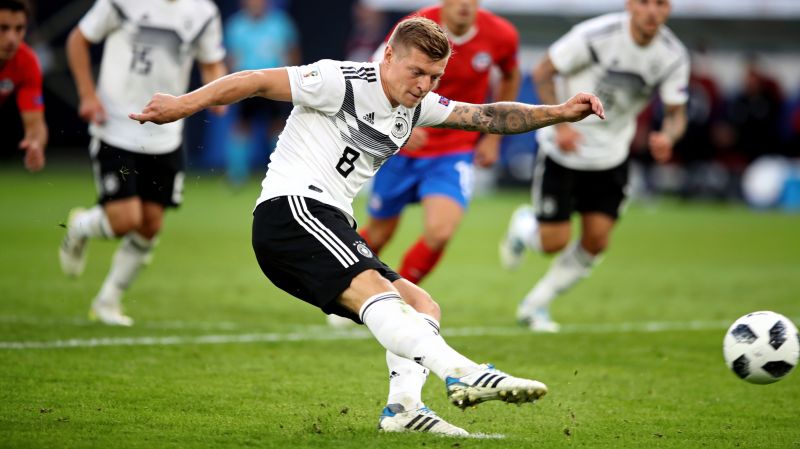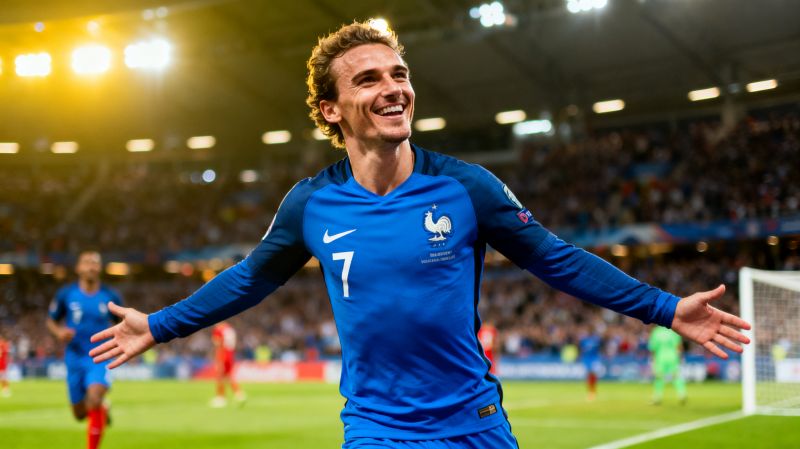
Brazil's five World Cup titles aren't just a record—they're a psychological barrier for every other nation. The Selecao won in 1958, 1962, 1970, 1994。and 2002, and no one has come within two since. What strikes me about that haul is how it spans eras: Pelé's samba years, the pragmatic 1994 side that ground out a penalty shootout against Italy, and Ronaldo's redemption in 2002. Three different tactical identities, same result. That adaptability is why Brazil still sits alone at the top of any credible World Cup title ranking.Germany and Italy share second place with four titles each。but their paths couldn't be more different. Germany's 2014 win in Brazil—the 7-1 semifinal demolition of the hosts—felt like the culmination of a decade-long youth development plan. Italy, meanwhile, won in 1934, 1938, 1982, and 2006, and each triumph came wrapped in some kind of national drama: the 1982 team upset West Germany after a turbulent group stage;
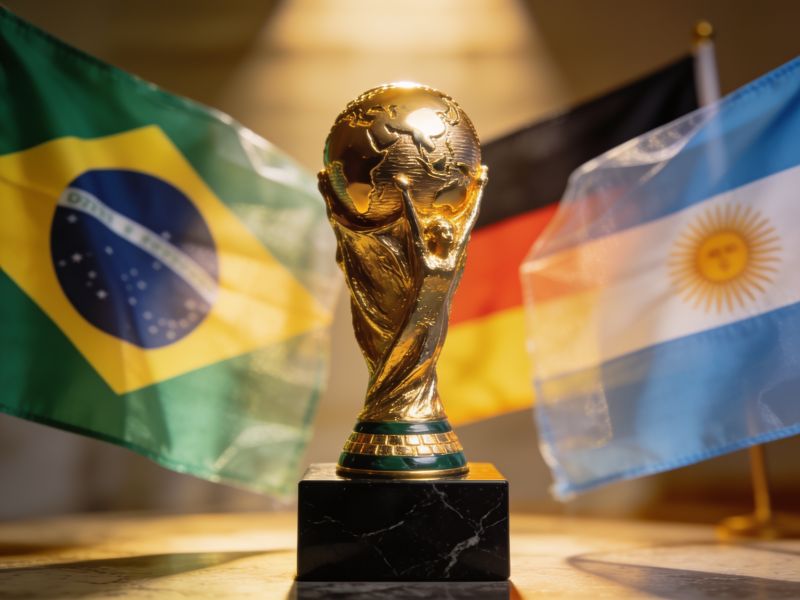
the 2006 side prevailed amid the Calciopoli scandal back home. Italy hasn't even qualified for the tournament since 2014, which makes their four-star status feel almost archival. Germany's consistency (13 semifinal appearances) keeps them fresher in memory, but the raw count ties them.Argentina's third title in 2022 shifted the rankings in a way that felt seismic. Lionel Messi finally got his World Cup, and Argentina moved to three titles—1958, 1986, 2022—breaking a tie with Uruguay and France. That 2022 final against France。a 3-3 thriller decided on penalties, might be the greatest World Cup match ever played. It also recontextualized Diego Maradona's 1986 heroics: Argentina now has two distinct golden eras separated by 36 years. France, with titles in 1998 and 2018, sits on two, and Kylian Mbappé's hat-trick in the 2022 final suggests they're not done. Uruguay's two titles (1930, 1950) are ancient history, but they still count—and that 1950 Maracanazo against Brazil remains the tournament's greatest upset.England's lone title in 1966 gets talked about more than any other single triumph, largely because of the decades of disappointment that followed. Geoff Hurst's hat-trick and the disputed third goal against West Germany are etched into English football lore, but one star on the shirt hasn't translated to sustained dominance—England has reached just one semifinal since 1990. Spain (2010) and the Netherlands (never) offer a different kind of contrast: Spain's tiki-taka era produced one title and two European Championships, a golden generation that burned bright and faded fast;the Dutch have three runner-up finishes and zero trophies, the best team never to win it. My take: Spain's 2010 win aged better than people expected because it changed how the game was played。while the Netherlands' 1974 Total Football side is remembered more fondly than some actual champions.
World Cup title rankings aren't just about counting trophies. Timing matters. Brazil's five spread across 44 years feel dynastic;Italy's four, with none since 2006。
feel like a closed chapter. Argentina's 2022 win elevated Messi to immortal status and moved them clear of France and Uruguay in the historical table. Germany's four titles, the most recent in 2014, keep them relevant in any GOAT debate. The next tier—France, Uruguay, England, Spain—each has a case for upward movement, but only France looks genuinely positioned to add another star before the decade ends. That's the thing about rankings: they're snapshots. Brazil leads now, but Argentina's 2022 run proved that history isn't fixed. It's just waiting for the next interruption.