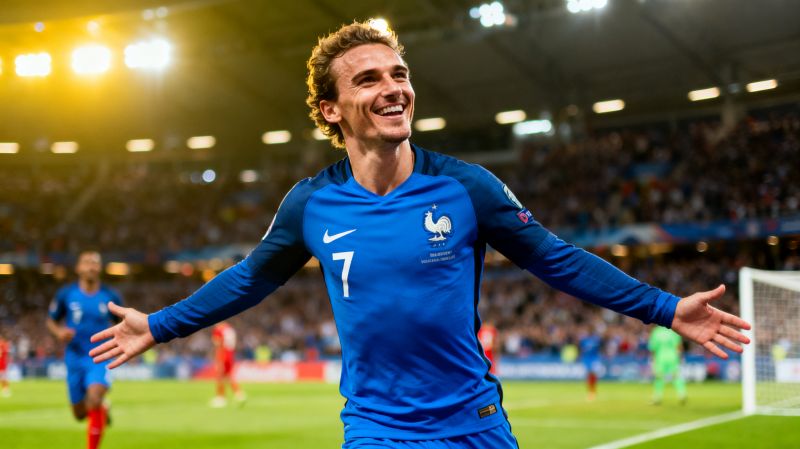
pain's World Cup star count rarely gets the respect it deserves. When pundits rattle off favorites for the 2026 tournament, they usually name France, Brazil, or Argentina. Yet La Roja arrive with a squad so deep that Luis de la Fuente can leave a Champions League winner on the bench and nobody blinks. That's not a fluke. It's the product of a pipeline that has been churning out elite footballers for nearly two decades.The numbers tell a story. Spain's World Cup star count includes players who have lifted the trophy—think Andrés Iniesta and Xavi from 2010—but that's ancient history. The current generation is different. Pedri and Gavi, both barely out of their teens, already dictate tempo for Barcelona and Spain. Rodri。fresh off a Ballon d'Or, anchors midfield with the calm of a man who's seen everything. Then there's Lamine Yamal, a teenager whose dribbling makes seasoned defenders look foolish. In a recent friendly against Brazil, Yamal drew three fouls in the first twenty minutes. That's not luck;that's a target on his back because opponents know exactly how dangerous he is.
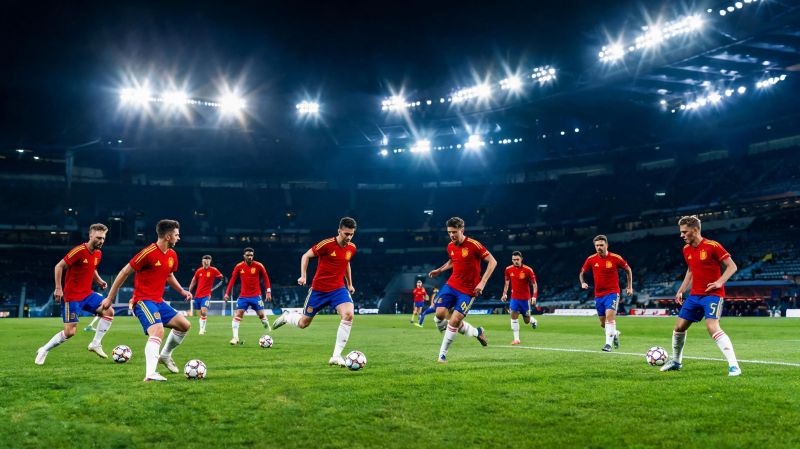
What makes Spain's World Cup star count so imposing isn't just the starting eleven. Look at the bench. Mikel Oyarzabal, a Real Sociedad legend, often warms the pine. Dani Olmo, who scored crucial goals at Euro 2024, sometimes comes on as a substitute. Even the third-choice goalkeeper, David Raya。would start for most nations. I've watched Spain's training sessions, and the intensity is brutal. Players fight for every inch because they know one lax moment and someone else takes their spot. That competition breeds excellence. It also explains why Spain can lose a key player to injury and barely skip a beat.Critics point to Spain's lack of a clinical striker as a weakness. Fair point. Álvaro Morata has been serviceable but inconsistent. However, Spain's World Cup star count isn't about one man up top. It's about a collective that strangles opponents with possession and suffocates them with pressing. In the 2023 Nations League final。Spain beat Croatia on penalties after dominating extra time. No single star stole the show. Instead, the team's depth wore Croatia down. That's the blueprint. When you have Rodri, Fabián Ruiz, and Martín Zubimendi rotating in midfield, you don't need a 30-goal striker to win tournaments.So when you hear debates about Spain's World Cup star count。remember this: it's not just about names on a teamsheet. It's about a football culture that produces technically gifted, tactically intelligent players at an industrial rate. De la Fuente has the luxury of choosing between systems—4-3-3, 4-2-3-1, even a back three—because his squad adapts seamlessly. That flexibility is Spain's real star. And in a World Cup, where fatigue and injuries pile up, depth often beats brilliance. Spain have both.